𝑻𝒉𝒆 𝑷𝒊𝒄𝒕𝒖𝒓𝒆 𝒐𝒇 𝑫𝒐𝒓𝒊𝒂𝒏 𝑮𝒓𝒂𝒚 𝒃𝒚 𝑶𝒔𝒄𝒂𝒓 𝑾𝒊𝒍𝒅𝒆
The Picture of Dorian Gray by Oscar Wilde

The
Picture of Dorian Gray, moral fantasy novel by
Irish writer Oscar Wilde, published in an early form in Lippincott’s
Monthly Magazine in 1890. The novel, the only one written by Wilde,
had six additional chapters when it was released as a book in 1891. The work, an archetypal tale of
a young man who purchases eternal youth at the expense of his soul, was a romantic exposition of Wilde’s own aestheticism. (https://www.britannica.com/topic/The-Picture-of-Dorian-Gray-novel-by-Wilde)
Words to be Hunted:
Servant
“A servant came across the garden towards them”.
Pronunciation: [ˈsərvənt] (noun)
Meaning: A person who is employed in another person's house, doing jobs such as cooking and cleaning, especially in the past.
Examples:
The servant attends on his master.
Why doesn't the servant come when I call?
Tell the servant to knock me up at five o'clock.
I sent my servant about her business.
 |
| Servants atending a party |
She looked dazed and frightened.The child is frightened by the ugly man.The noise frightened the child.I was frightened of him when I saw him first.

“My new life as a sailor will keep me away from England for many years”.He was a young sailor on his first sea voyage.The boy decided not to become a sailor.The sailor told of his adventures on sea.The sailor would join his ship a few days later.

“He could hear nothing, only the drip, drip of blood onto the floor”.A drip of water fell from the tap.He was taken off his drip last night.They crowd around me and their eyes drip blood.All I could hear was the drip of the rain from the roof.

“Through the open windows of the room came the rich scent of summer flowers”.These flowers have no scent.
The air was filled with the scent of wild flowers.Female ants release pheromones from their scent glands.The press could scent a scandal.

He who is afraid of asking is ashamed of learning.
I'm ashamed that I did that.
You should be ashamed of yourself for telling such lies.
I felt ashamed of the things I'd said to him.

Will you fetch some water?
Please fetch that book along.
I have to fetch my mother from the station.
This glass has been used. Please fetch me a clean one.

- He was forced to take opium to kill the pain.
But what kind of person would want opium?
She was certainly not an opium smoker.
The architect must have been an opium friend.

“He lifted his coffee cup. 'What happened to the fine portrait that Basil painted of you?”.
He's strong enough to lift a car!
Come and help me lift this box.
Can you give me a lift?
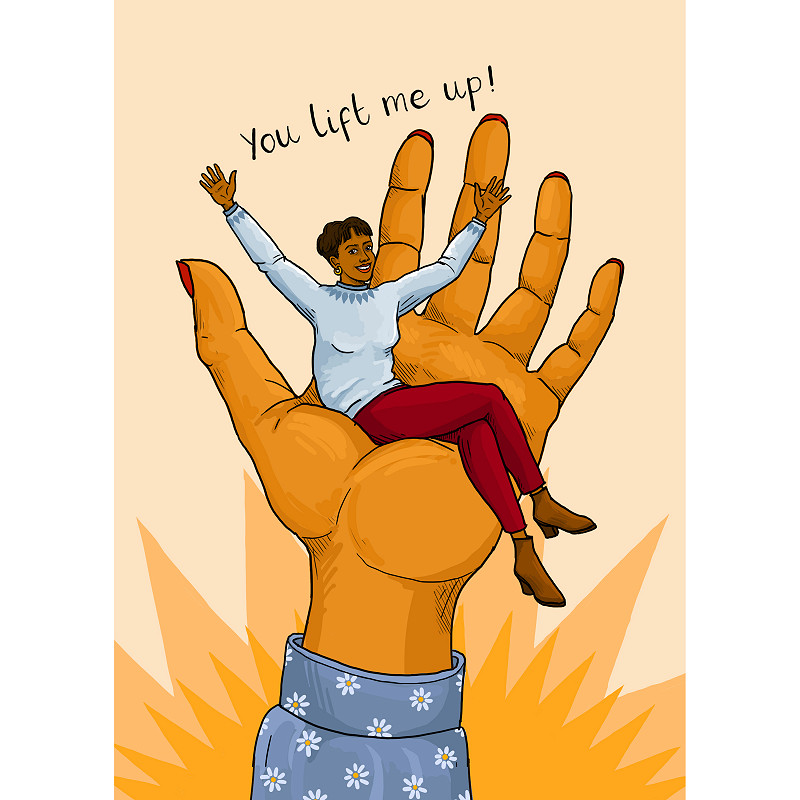
Lift me up, mummy I can't see.
The curriculum was too narrow and too rigid.
The stairs were very narrow.
The road was too narrow for cars to pass.
This coat is too narrow across the shoulders.

They dug a pit to bury the rubbish.
She dug her fingernails into my neck.
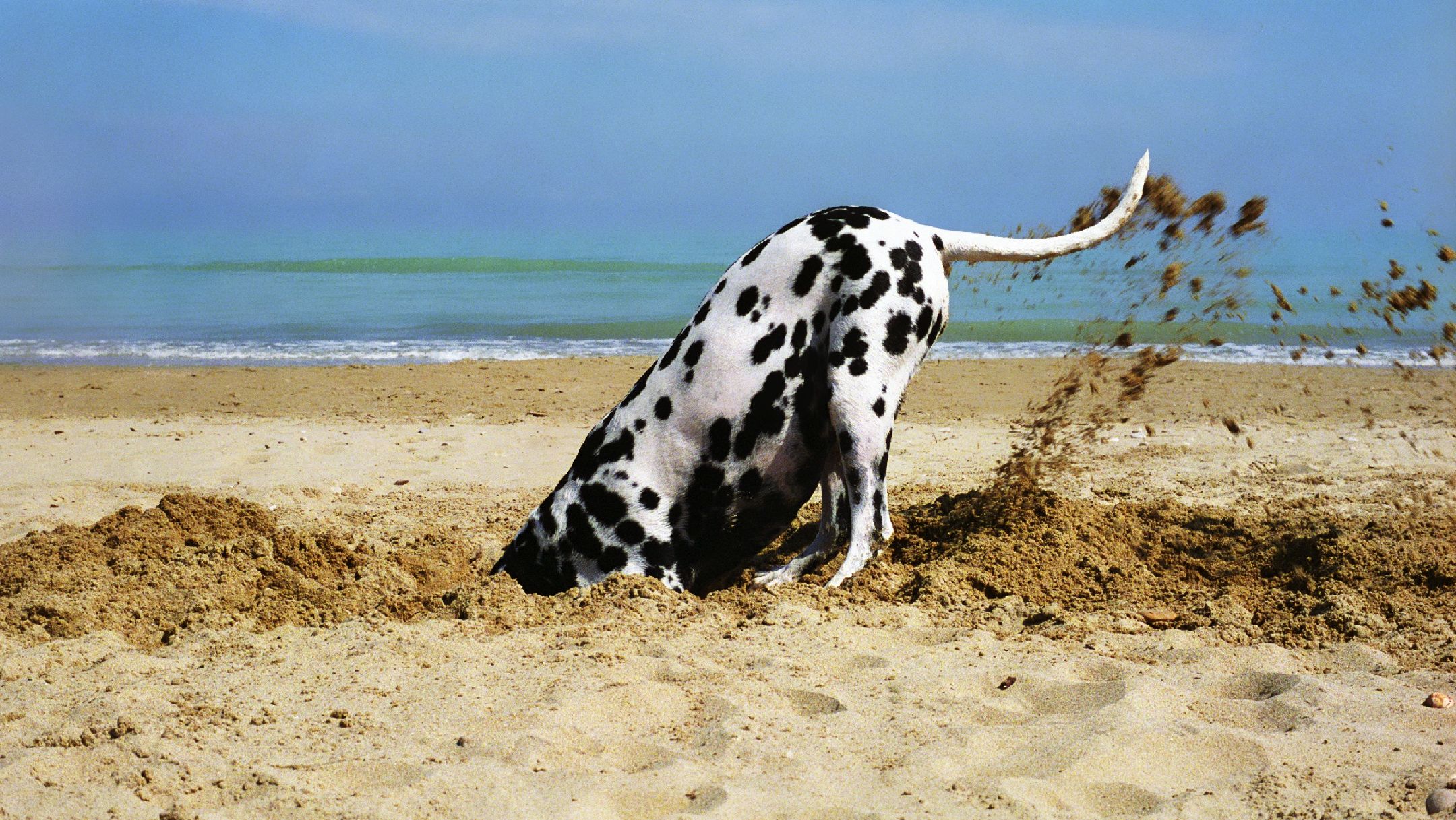
He dug a deep hole in the garden.
We dug a deep pit in the yard.

Comentarios
Publicar un comentario